Sunday, February 21, 2016

Blog 9 color theory


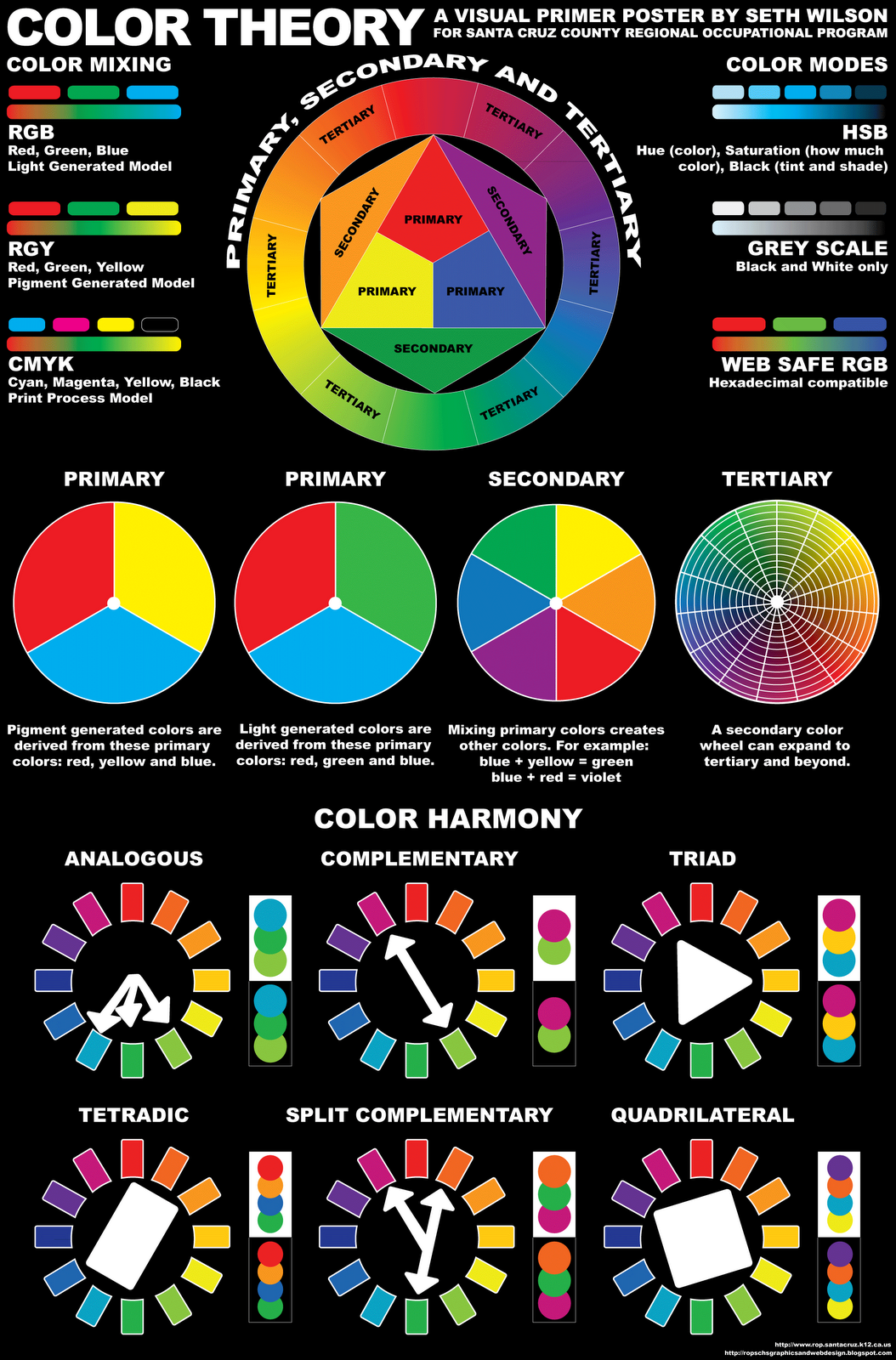
The teacher will go over a brief power point on color theory. Then students will use pan watercolors or fine tip markers to paint or color examples from each color family. Example: Primary colors, red, blue and yellow, are the pure colors and are used to mix all other colors.

Art lesson design can be a mono chromatic image of an item brought to class after the concept of color theory is taught on day 1. 

There was this exercise I saw dealing with a color wheel. Then tell each student to describe each color that reminds them of something. So this comes back to the the Identity think I did in one of my blogs. this is her link below.
https://www.theartofed.com/2013/08/12/a-colorful-way-to-get-to-know-your-students/


This link is about a peculiar self portrait over colored construction paper.
http://projectartaday.blogspot.com/2014/12/lesson-color-scheme-selfies.html?utm_source=feedburner&utm_medium=email&utm_campaign=Feed:+ProjectArt-a-day+(Project+ART-A-DAY)

Sheet hand outs
https://www.okcareertech.org/educators/cimc/free-samples/human-services-cluster/pdf-files/facs1cd.pdf

Model lesson example
http://www.knowitall.org/artopia/teachers/painting/lesson1.html


Image result for color theory art projects

Image result for color theory art projectsImage result for color theory art projectsImage result for color theory art projects

Blog 8 Color theory

To begin the color pencil shading I will show them to use small circles. Keep the color pencils sharp. Color pencils are meant to use for a slow process. One idea is for them to remove the black color pencil from their cases and help them realize that all they need is the blue indigo pencil.

The example with be of me coloring in a shape. Also show a blendin
g pencil.
Then they will be given printed handouts to practice gradient ships and color matching. Primary etc.
There successful piece of artwork assignment could be a portrait or a still life object laid in front of them. Fruits, cylinders, or random object. \

Color Theory- suggestion of order shown.

  1. Vocabulary
  2. Basic Color Mixing and Paint Application
  3. Color Schemes, Color Mixing, paint Application
  4. Demo Enlargement Procedure and Drawing
  5. Color choice and application to portrait

Vocab.

Primary Colors
Secondary Colors
Tertiary or Intermediate Colors
Complementary
Tints/Shades
Analogous
Cool/Warm Colors
Triadic
Split Complementary
Monochromatic
Achromatic
Polychromatic


Sample vids. https://youtu.be/luC6GMVBlbw


Enduring idea blog 7

I want a course work that could involve a theme on identity. to me this course load would work with middle school.

1. Digital Photography/Elements and principles

2. Color theory

3. Contour or drawing

4. 3D design

5. mixed media

1. Digital photography- I would use a lesson that involves the students most essential item they carry. Their cell phone. #selfie is a common practice, particularly with middle students obsessed with looks and image.

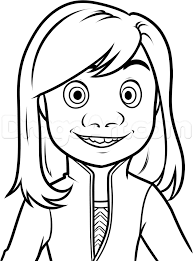
This digital photography assignment will require the student to take a selfie any time they felt a change in their mood. I want over a dozen shots through out their day and by day 2 they should have enough to begin the project. (Day one is syllabus, intros,learning names, small drawing assignment before the period ends.)  Second class visit they will have needed their pictures ready. They are to pick a recurring pattern with their emotion expressed and then create a personal character from of themselves. Like in the movie "Inside Out" , does one student tend to take nervous pics? angry pics? Joyous pics?

From here I will explain elements and principles, show clips, slide shows. Then they are to use phone apps to edit such as color, pattern, and texture added to their selfie. They are to pick 3 of them that best reflects their emotions so far.
Essential questions- why do you feel that you feel this way? Are you more aware of your emotions by requiring to be consciously aware for a day?


Lesson 2.

Color theory-  The color theory exercise will be a choice of selfie photos from the first lesson. They will do an enlargement drawing. Choose a color scheme whether its tertiary, Analogous, etc.
Acrylic.

Lesson 3-  Will be a drawing exercise. To begin they will have a practice contour line drawing of hands and feet to warm up. This will be a quick and they will drawing on newspaper and use pencil.
This lesson is a drawing lesson of themselves. They are to reflect on lesson 1 about their self portrait cartoon. I want them to now make a large character of themselves. Full figure drawing of themselves as a cartoon. This enduring idea still deals with Identity,self reflection, and even representing who they are. 
For this lesson they are to draw themselves with the use of pencils, milar pens, and eraser to clean up the final image. This drawing will be on bristol board paper. 12x18 maybe? They are to color in the picture with quality markers If it's possible. 
Key requirements: 3 items/features/objects on or around your self character that represents yourself. 
Questions: are there outstanding and unusual features you notice?
  • Describe the expressive qualities you find in the work. What expressive language would you use to describe the qualities (i.e., tragic, ugly, funny)?
  • Does the work remind you of other things you have experienced (i.e., analogy or metaphor)?
  • How does the work relate to other ideas or events in the world and/or in your other studies?

Example  https://youtu.be/4ZRFwDViqTs
https://youtu.be/UxcfvU4Vfok
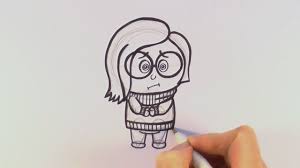

Image result for inside out cartoon charactersImage result for inside out cartoon drawingImage result for cartoon drawing

Lesson 4-3D design

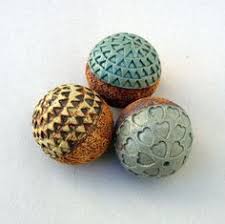
Like the movie Inside out. The main character Riley had her memories stored in spheres as her memory bank. For this exercise the student is required to make 4 pinch pots. Each pinch bowl is to conjoin with another to form the sphere. The sphere when it just short of leather hard the student is then required carve a significant memory in their lives. The illustration of a significant time of their lives can be of one design for reasons of needing space. Prior to carving the spheres. After the class has finished making 4 spheres to then be wrapped up and ready for work next class period, they are to when at home sketch out their designs. Jot down ideas and what significant event, story, memory  they remember meaning something important to them. Example. A student could illustrate a Palmetto tree wrapping around the sphere. The Palmetto tree is a story reminder of a time the student went to Charleston for a family vacation. The Palmetto tree was a favorite part of the students trip due to them being everywhere and a reminder that they were out and relaxing away from home.

The final requirement is for the students to show and tell their spheres and why they carved their object of choice in the sphere.
Quesions:
  • Describe the expressive qualities you find in the work. What expressive language would you use to describe the qualities (i.e., tragic, ugly, funny)?
  • Does the work remind you of other things you have experienced (i.e., analogy or metaphor)?
  • How does the work relate to other ideas or events in the world and/or in your other studies?

Image result for ceramic memory spherehttps://youtu.be/SBStTdPfpqA Inside out scene
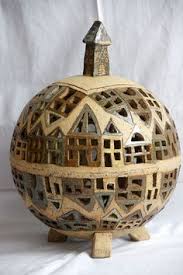

Image result for ceramic spheres meaningImage result for ceramic spheres meaningImage result for ceramic spheres meaningImage result for ceramic spheres meaning


Lesson 5- Mixed Media

This will be one final self portrait. This assignment is a free for all for expression and self Identity. It must be appropriate and PG. This project will have a collage assemblage of the student's main enjoyments, interests, etc.
Use newspaper and magazines to best reshape the students face. They can draw over it with sharpie and acrylic paint as well as color pencils for the portrait. Glue, scissors,  The collage  of the students' liking can come out the cranium or the mouth. Maybe even the eyes. This project should be the sum of the entire year. Discovering their moods, deep self reflections through, the ceramic designs, character, and acrylic self potraits.

Image result for self portrait collageImage result for self portrait collage
Image result for self portrait collageImage result for self portrait collageImage result for self portrait collage

Sunday, February 7, 2016

Elements and Principles

For the elements blog I had chosen from the books provided in my night class and this book was called Keys to Drawing with Imagination by  Bert Dodson. It had interesting Ideas which I could use to help students brain storm. I know I've been in a rut for creativity for a long time and so this book had my attention. I picked out a study which involved crumpling up a paper. Draw the study of it and then draw what you think you see in the in crumpled paper. I found it fun and I should in my own time do a series of studies for practice.

I want the students to see the world differently. So a metamorphic study would be great for that. Imaginations fly when you're young and then we lose it or it goes into dormant. An assignment like this would be a fun way to bend the student's mind and make them think hard about a great piece. This assignment can touch on both elements and principles. Line/movement. or Line/emphasis. Or form/unity etc.

I looked up some examples. Markus Raetz, swiss artists that used metamorphosis for his artwork.


https://youtu.be/VHcxF-wxSXU


https://youtu.be/5Jqw01sZONI

My metamorphosis study

student work
student work
metamorphosis study from Bert Dodson book
keys to Drawing with Imagination sample
Keys to Drawing with Imagination sample

Friday, February 5, 2016

Graphite still life

I am documenting my graphite still life drawing. The first thing I noticed is that I didn't follow the steps that my processor wanted. Since the still life was glass I went after my sponges to help make the still life glass pieces appear to be glass pieces. My study was a blender pitcher. I wanted to smear the graphite to make a base and then subtract with kneaded erasers and etc.

I believe I need most practice complete graphite shading and no other methods. Also aligning up bottles and other objects accurately. I think students will have difficulty making their bottle studies or some other objects accurate. I can see a good many drawing becoming lopsided. I need to guide them with a framed setup.

I could draw a grid to help them with bottle necks and other cylindrical shapes.


Image result for still life grid drawing

Image result for still life grid drawing


Image result for still life grid drawing bottles


My drawing
peer work
peer work
student sample
student sample
student sample
My drawing study
student sample